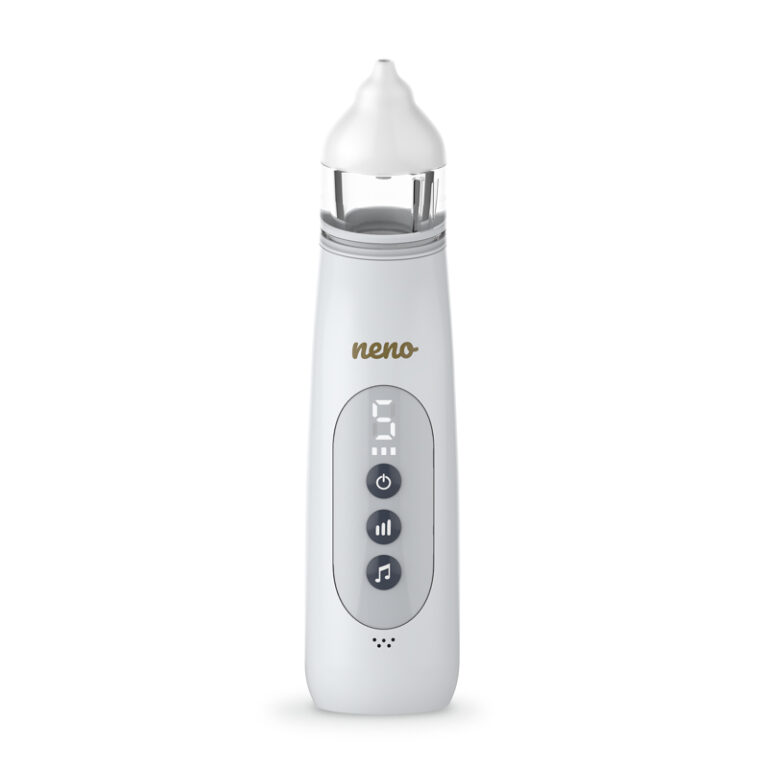
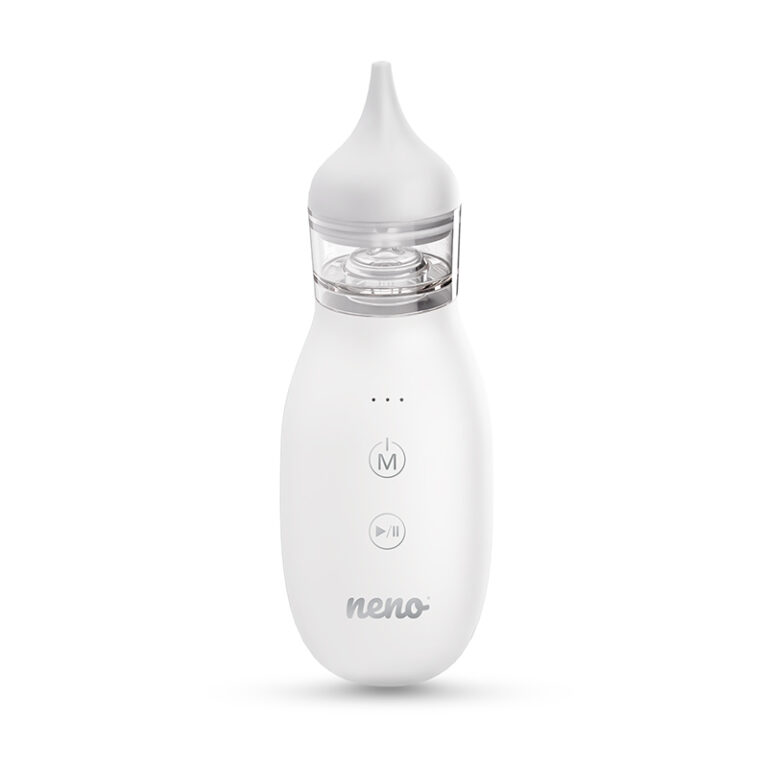
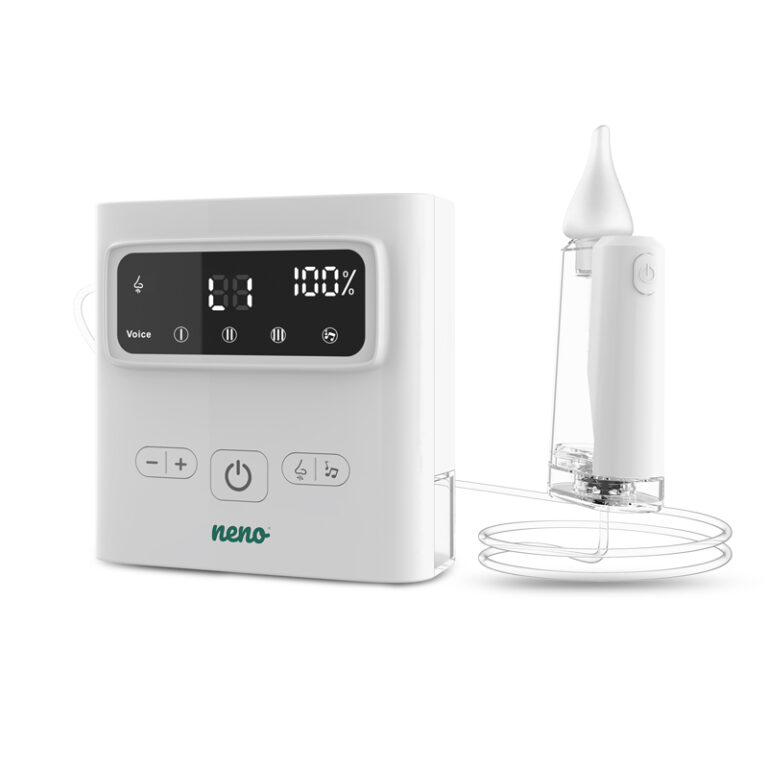
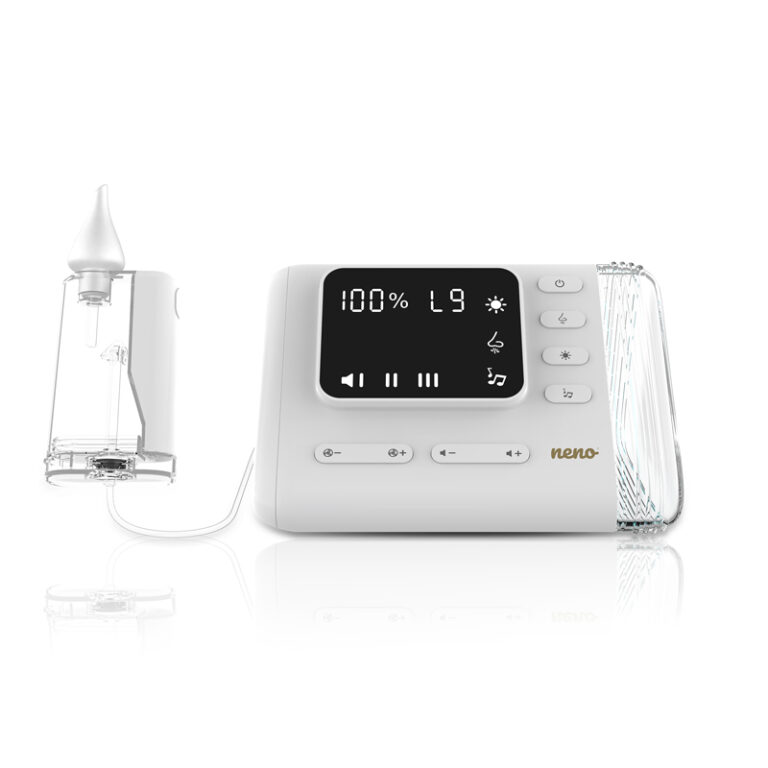
There are various nasal suction devices on the market – oral, vacuum-connected, and electric. The former consist of a secretion container, from which two tubes lead. The tip of one tube is placed in the baby’s nostril, and the tip of the other tube is placed in the parent’s mouth. The nasal secretion is then sucked into the container, which has a special filter to prevent secretion from entering the tube that the parent holds in the mouth.
A baby aspirator connected to a hoover works on a similar principle, the only difference being that it is the hoover that sucks nasal secretions out, not the parent.
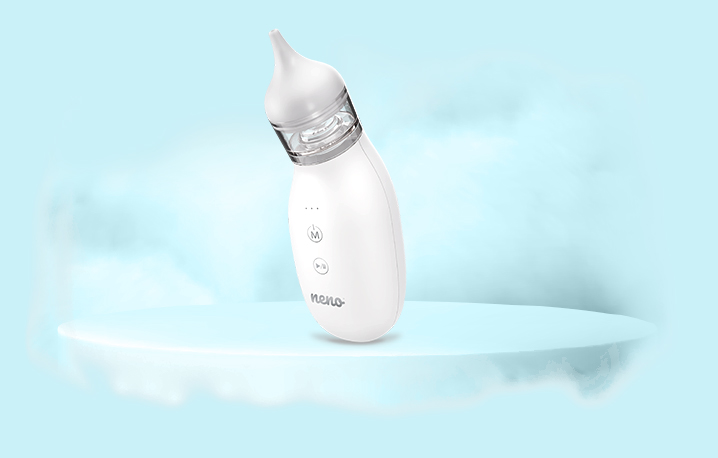
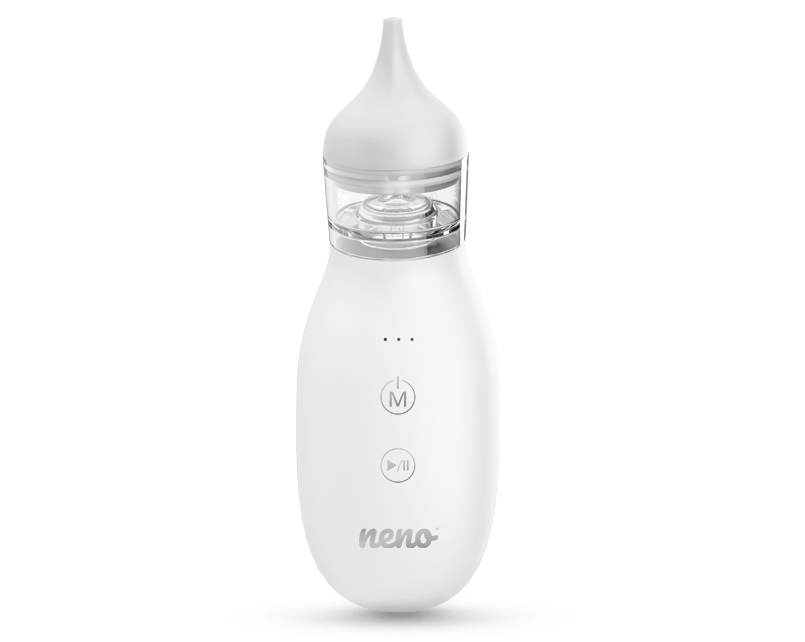
Lastly, there are electric nasal aspirators, i.e., those equipped with special motors that suck up catarrh. This type of electronic nasal aspirator is most popular with parents and carers.
It is worth knowing that, in addition to aspirators, other nasal aspirators for children are also available on the market, namely the so-called pear. These devices are extremely simple in their design. They look like a rubber pear fruit. In fact, they are balloons with a thin tip, used to suck up catarrh. How do you use it? Simply place the tip in the nose hole, then squeeze the pear and let go. The secretions will go in by themselves.